
Happy new year! Last week, a customer asked about EMQ's impact on their ad performance.
EMQ is one of the most important factors to optimizing ads’ ROAS — and data quality is the most important factor to your EMQ score. So I thought I’d spend some time explaining it:
Understanding EMQ's Impact on Your Business
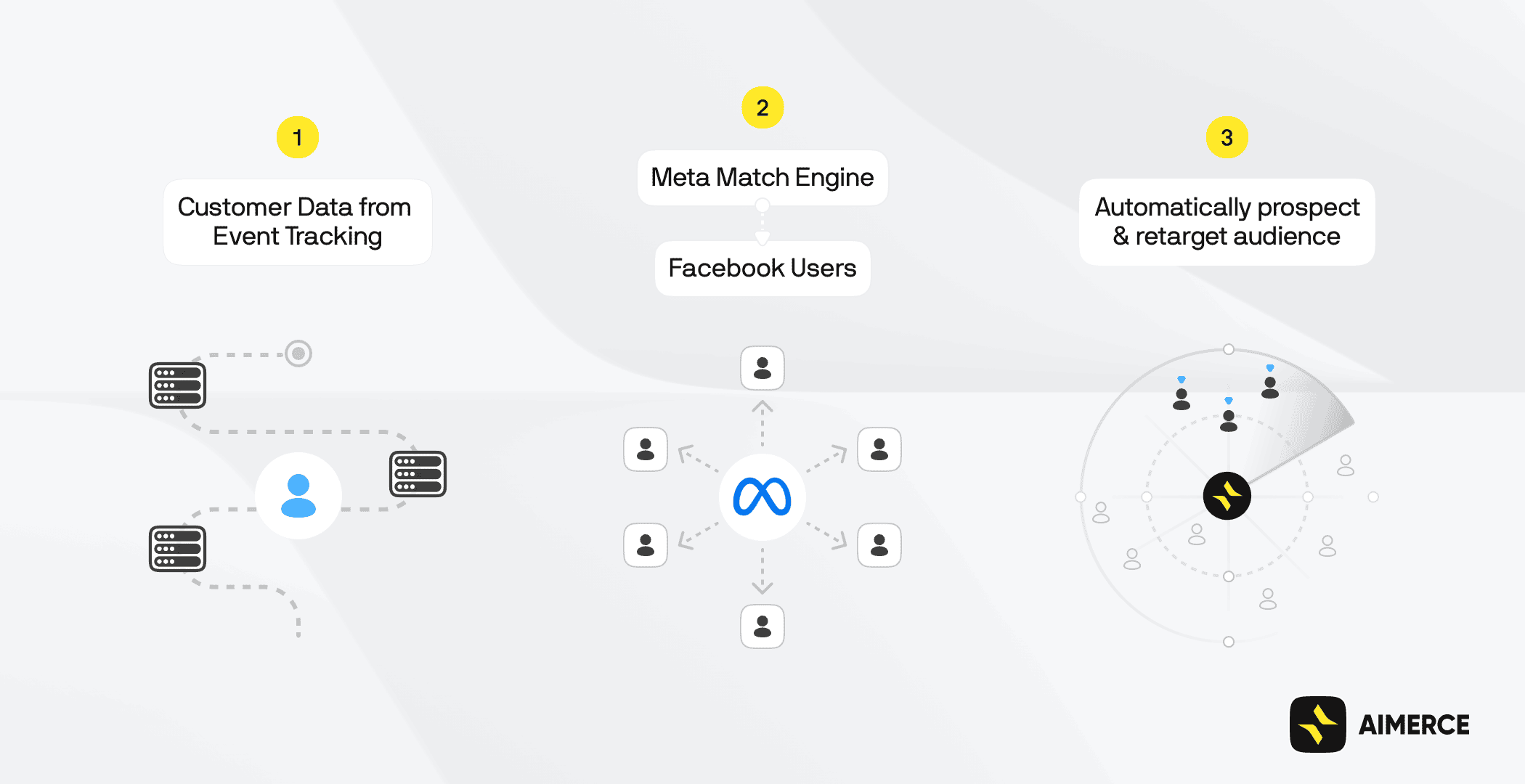
Event Match Quality (EMQ) is Meta's scoring system for measuring how accurately they can match your store's customer data to actual facebook users on their platform. Think of it as a grade for your data quality - the higher the score, the more effectively Meta can find and target potential customers.
We’ve seen stats from customers when EMQ improves from 8.6 to 9.3:
- Cost per acquisition drops by 18% ($42 → $35)
- Customer match rate increases by 24%
- ROAS improves by 22% on average
- Ad spend efficiency increases by ~$2,100/month at $1,000 daily spend
What this means for your brand: Better EMQ scores let Meta's AI target more accurately, reducing your customer acquisition costs while improving sales. Every point increase in EMQ directly impacts your profitability.
Why EMQ Scores Change (And When to Worry)
EMQ scores will fluctuate in realtime. The calculations are based on the last 24h to 48h of data sent from your Conversion API. Here are three factors that directly impact your score:
- Data Completeness: How many identification parameters you send
- Processing Speed: How Meta receives your events (in batches or real-time)
- Event Accuracy: Whether events are counted once or duplicated
The key is to monitor score consistency, not just absolute numbers. If you’re using Aimerce, you should see scores improving immediately after integration.
What this means for your brand: Don't accept extended "adjustment periods." Your store should see strong EMQ scores within 24 hours of proper implementation.
The Technical Foundation of High EMQ
The most influential parameters for EMQ are:
| Parameter | Priority |
|---|---|
| High | |
| Click ID (fbc) | High |
| Country | Medium |
| Phone number | Medium |
| External ID (a unique ID from the advertiser) | Medium |
| Browser ID (fbp) | Medium |
| Lead | Low |
| First name | Low |
| Last name | Low |
| City | Low |
| Zip or Postal Code | Low |
source: Meta documentation - About event match quality
Automatic event matching looks for these parameters in your store's forms, while manual matching gives you direct control over what data you send.
What this means for your store: Focus on collecting these key parameters at crucial customer touchpoints, especially email and phone number in email popups and get more return customers. High data quality also depends on your own ability of collecting customer data.
If you have Aimerce installed: We automatically collect and sends these in the correct format. If you're handling this manually, remember that even small formatting errors can impact your scores.
Understanding Event Types and Their Impact
EMQ scores vary by event type:
- Purchase events should maintain 8.8-9.3 EMQ
- AddToCart and InitiateCheckout should be 8.0+
- PageView typically ranges 6.5-7.5
Higher funnel events naturally have lower scores because less customer data is available at those stages.
What this means for your brand: Prioritize optimizing your purchase event tracking first, as it has the most direct impact on your advertising performance.
If you have Aimerce installed: This is also already handled on your behalf 😎
Why Your Server-side Tracking Choice Matters
Native integrations (like Aimerce) typically achieve higher EMQ scores because they:
- Extend cookie life to 1 year and automatically stitch return customer data based on unique ID.
- Data Enrichment: Device type, location, IP
- Cross-device stitching
- Express Checkout (ShopPay, PayPal etc) ClickID relinking
- Process data in real-time
- Handle deduplication automatically
- Maintain direct connections with Shopify and Meta
Third-party solutions often introduce delays and data loss through browser-based tracking.
What this means for your brand: Choose platforms that integrate directly with your tech stack to ensure optimal data quality.
If you have Aimerce installed: I've spent significant time optimizing for edge cases, including shopper journeys like express checkout where the domain jumps to the express checkout domain. This is why Aimerce brands see consistent higher scores across all events.
Maintaining High EMQ Scores While Scaling
When increasing your ad spend, monitor three key metrics:
- Purchase event EMQ (should maintain 8.8-9.3+)
- Cost per acquisition
- New vs Returning Customer Purchase events
We've seen customers successfully scale from $4k to $14k monthly revenue while maintaining these metrics. Unlike other platforms that require manual monitoring or suggest an "adjustment period," Aimerce automatically:
- Processes events in real-time
- Maintains parameter quality
- Handles proper deduplication
What this means for your brand: You can focus on scaling your ad spend and testing new creatives, while Aimerce maintains your EMQ scores automatically. Let us handle technical maintenance required on your end.
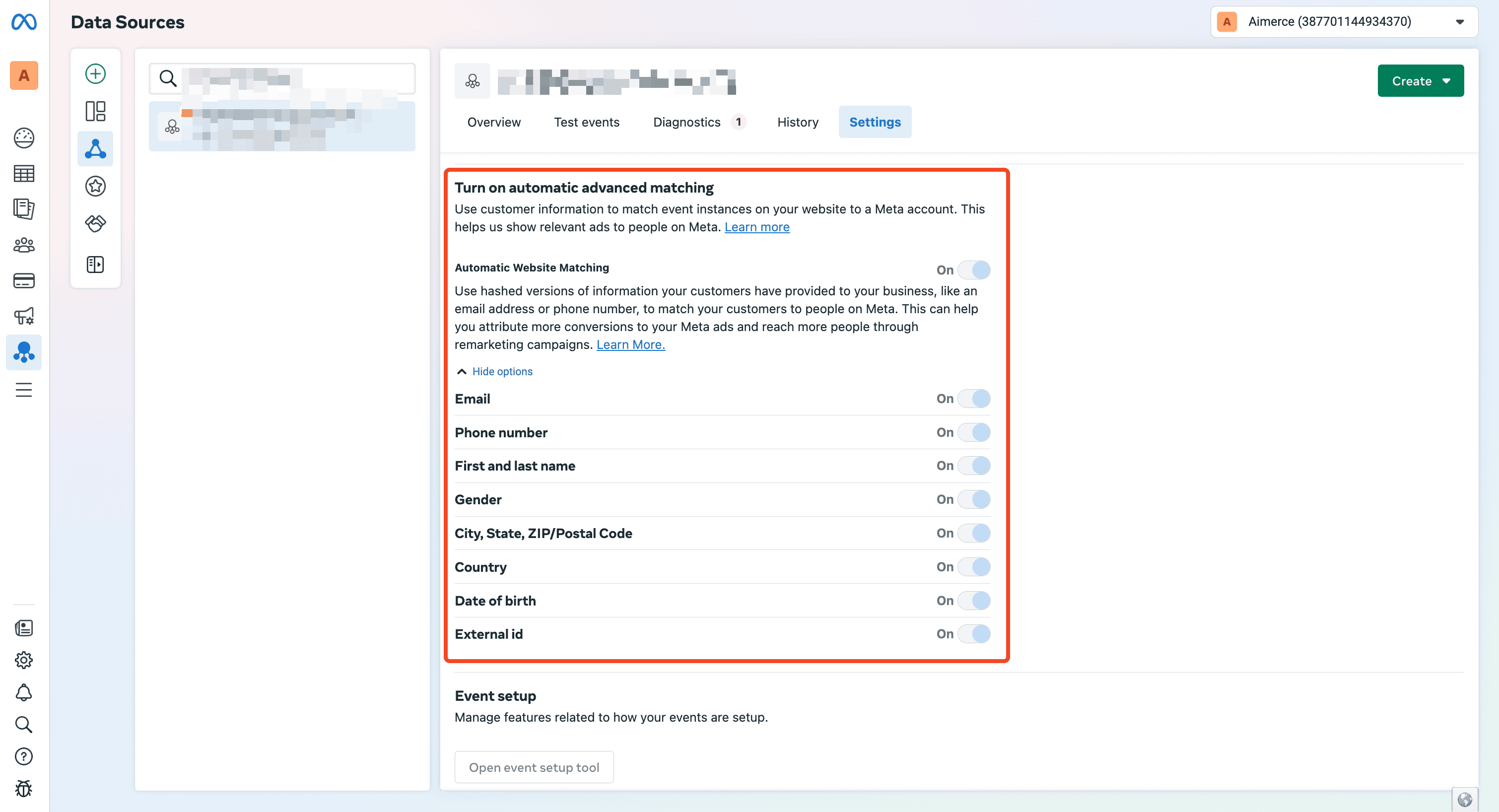
Lastly, make sure your turn on Automatic Advanced Matching to utilize the most out of Aimerce Data.
Advanced matching can help you optimize your Meta ads to drive better results. Regardless of your server-side pixel, or even if you don’t use one, you must turn this on!
- Increase the number of attributed conversions. Meta can match more of the conversions that happen on your website to people on Meta. This helps you understand the impact of your ads on website conversions.
- Increase your custom audience size. Meta is able to better match your website visitors to people on Meta and increase the size of your custom audience.
- Decrease the cost per conversion. Conversion-optimized campaigns become more efficient because we can better identify and deliver ads to the types of people likely to take the actions you care about.
Have a specific EMQ question? Want me to give your account a quick audit? Reply directly to this email – I read and respond to every message 🤗
30-Day Aimerce Pixel Free Trial